CNC Linear Encoder: The Complete Guide to Selection, Accuracy, and Applications
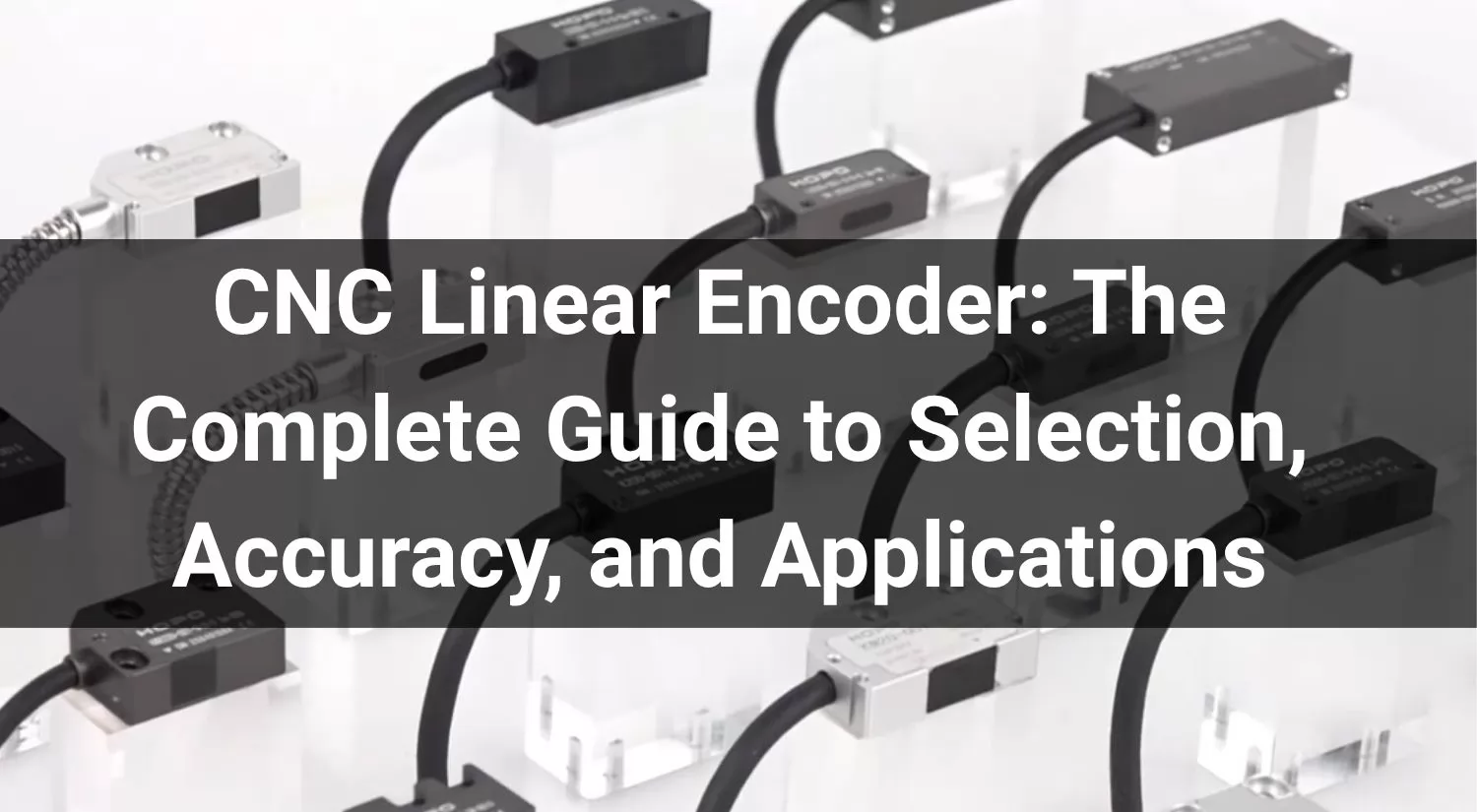
Accurate position feedback has become more crucial as CNC machines continue to advance toward greater precision, quicker processing rates, and more complicated manufacturing requirements. Even tiny positioning mistakes can have an impact on surface quality, dimensional accuracy, and overall production efficiency in contemporary machining systems.
By directly monitoring linear movement and giving the control system real-time feedback, a CNC linear encoder is essential to increasing machine precision. Linear encoders lessen positional inaccuracies brought on by mechanical parts such ball screws, couplings, and thermal expansion when compared to depending solely on motor feedback.
Choosing the appropriate linear encoder solution is crucial for industrial automation firms and CNC machine manufacturers to achieve steady performance and long-term dependability. Different encoder technologies, measurement ranges, accuracy levels, and installation techniques may be needed for different applications.
The definition of a CNC linear encoder, its operation, the distinctions between optical and magnetic linear encoders, and the important aspects to take into account when selecting an appropriate solution for CNC machines and industrial applications are all covered in this guide.
What Is a CNC Linear Encoder?
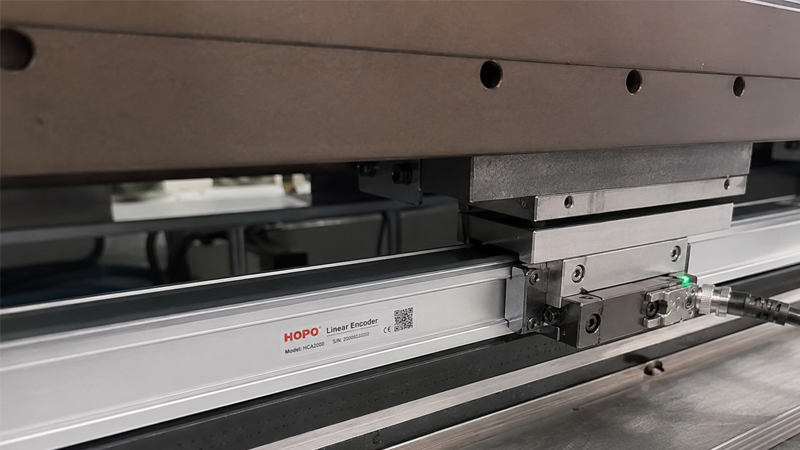
A CNC linear encoder is a precision position feedback device used to measure the linear movement of a machine axis. It converts the actual displacement of a moving component into electrical signals, which are then transmitted to the CNC controller for position monitoring and correction.
In CNC machining systems, linear encoders are commonly installed along machine axes such as X, Y, and Z axes. By directly detecting the actual position of the moving table or slide, they enable the control system to compare the commanded position with the real position and make necessary adjustments.
Unlike rotary encoders that measure the rotation of a motor shaft, CNC linear encoders directly measure linear displacement. This direct measurement method helps improve positioning accuracy because it reduces the influence of mechanical transmission errors.
A typical CNC linear encoder consists of several key components:
1. Measuring Scale
The measuring scale provides the reference information used for position measurement. Its design and manufacturing precision directly influence the encoder’s overall accuracy.
2. Readhead
The readhead moves along the scale and detects position changes. It converts the measured information into electrical signals for further processing.
3. Signal Processing System
The processed signals are transferred to the CNC control system, allowing the machine to accurately monitor and adjust its movement.
Together, these components create a closed-loop feedback system that supports more precise and reliable CNC operations.
How Does a CNC Linear Encoder Work?
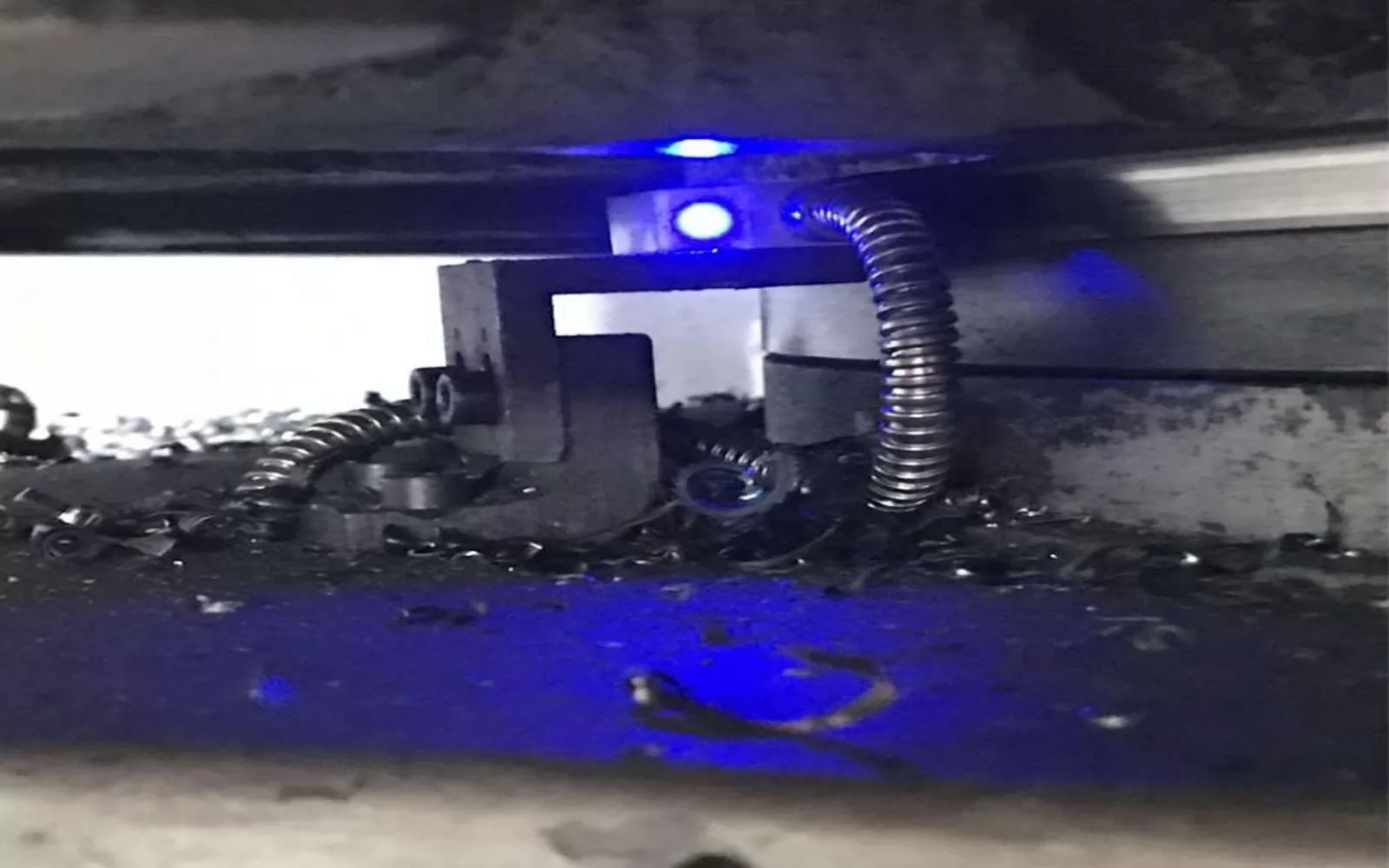
The working principle of a CNC linear encoder is based on detecting the actual position of a machine axis and sending feedback information to the controller.
The process can be summarized as:
CNC command → Machine axis movement → Linear encoder measurement → Feedback signal → Position correction
When a CNC controller sends a movement command, the servo system drives the machine axis to move. During this process, the linear encoder continuously measures the actual position of the moving component.
The encoder then sends feedback signals to the CNC controller, which compares the actual position with the target position. If any deviation is detected, the control system adjusts the movement to minimize errors.
This feedback process provides several important advantages:
1. Higher Positioning Accuracy
Mechanical components in CNC machines may introduce small errors during operation. Factors such as ball screw accuracy, backlash, and thermal expansion can affect positioning performance.
Because a linear encoder measures the actual movement directly, it helps compensate for these influences and improves overall machining accuracy.
2. Better Repeatability
For manufacturers producing precision components, repeatability is essential. A stable feedback system allows CNC machines to maintain consistent positioning performance over repeated operations.
3. Improved Machine Performance
By providing real-time position information, linear encoders support smoother motion control and help CNC machines achieve better processing quality.
Types of CNC Linear Encoders
CNC linear encoders are mainly divided into two categories: optical linear encoders and magnetic linear encoders. Each technology has different characteristics and is suitable for different working environments.
Choosing between them depends on factors such as required accuracy, machine structure, operating conditions, and application requirements.
Optical Linear Encoder
Optical linear encoders use optical scanning technology to measure position changes. They typically work by detecting patterns or graduations on a precision scale and converting the optical information into electrical signals.
Due to their high measurement accuracy and resolution capability, optical linear encoders are widely used in applications where precision is the highest priority.
Advantages of Optical Linear Encoders
1. High Accuracy
Optical technology enables extremely precise position measurement, making it suitable for high-performance machining applications.
2. Excellent Resolution
High resolution allows machines to detect very small movement changes, which is important for precision manufacturing.
3. Stable Position Feedback
Optical linear encoders provide reliable feedback for applications requiring consistent positioning performance.
Optical linear encoders are often used in:
- High-precision CNC machine tools
- Precision measuring equipment
- Semiconductor manufacturing equipment
- Advanced automation systems
For industries where machining tolerance requirements are extremely strict, optical linear encoders can provide the precision needed for advanced manufacturing processes.
Magnetic Linear Encoder
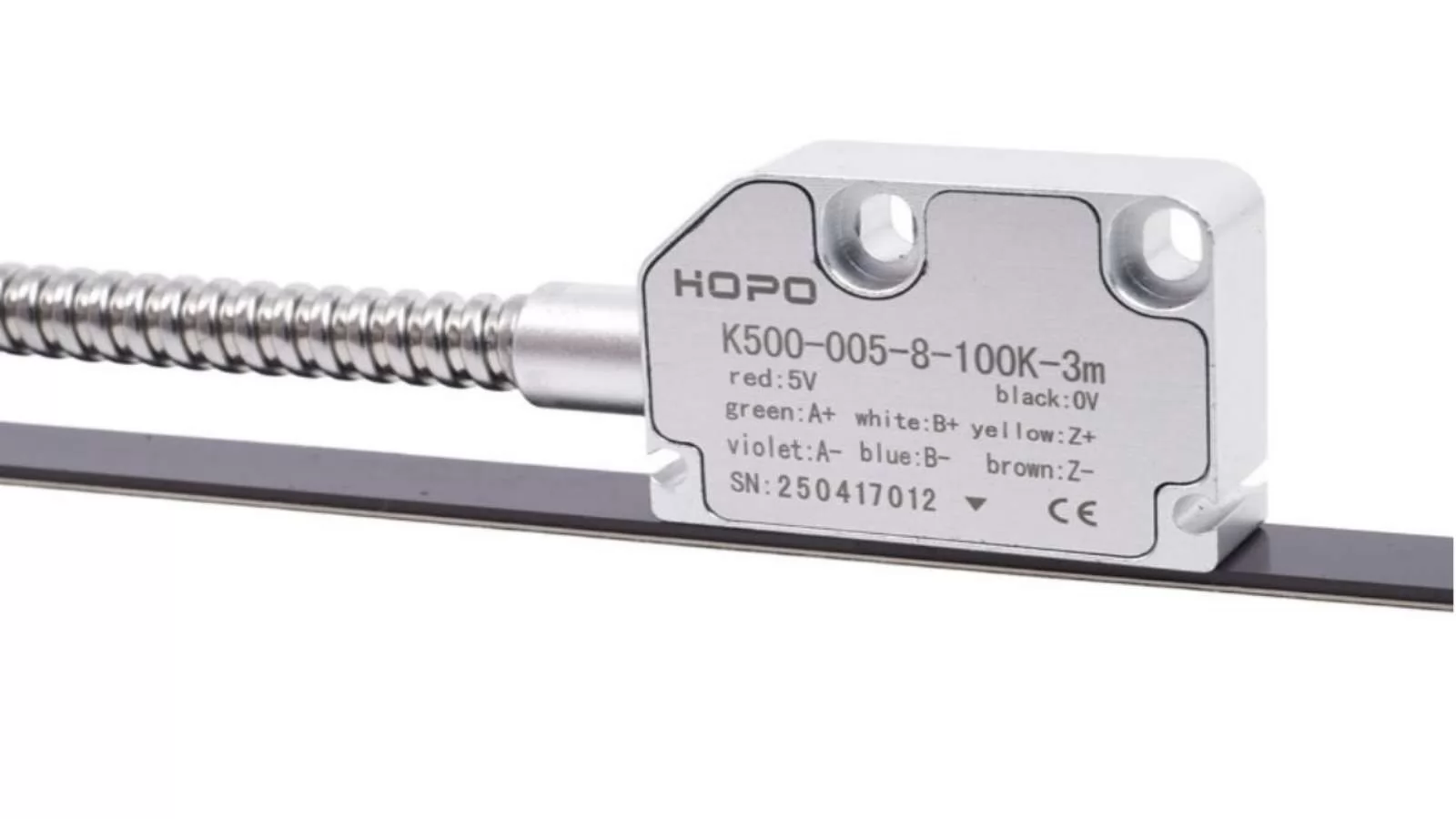
Magnetic linear encoders use magnetic scales and sensing technology to detect position changes. Compared with optical systems, magnetic encoders are often valued for their durability and adaptability in industrial environments.
They are particularly suitable for applications where dust, oil, vibration, or other environmental factors may affect measurement performance.
Advantages of Magnetic Linear Encoders
1. Strong Environmental Resistance
Magnetic sensing technology provides better resistance against contamination, making it suitable for demanding industrial environments.
2. Flexible Installation
Magnetic linear encoders can offer more flexible installation options, which can be beneficial for different machine designs.
3. Reliable Industrial Performance
For CNC machines and automation equipment operating in challenging conditions, magnetic encoders provide a practical solution for stable position feedback.
Magnetic linear encoders are commonly applied in the following:
- CNC machining equipment
- Industrial automation systems
- Motion control applications
- Precision positioning systems
For many industrial manufacturers, magnetic linear encoders provide a balance between accuracy, reliability, and application flexibility.
CNC Linear Encoder vs. Rotary Encoder
When selecting a feedback system for CNC machines, many manufacturers need to decide between linear encoders and rotary encoders. Although both technologies are designed to provide position feedback, they measure movement in different ways and serve different purposes.
A rotary encoder measures the rotation of a motor shaft or mechanical component, while a CNC linear encoder directly measures the linear movement of the machine axis.
The main differences include the following:
|
Comparison |
CNC Linear Encoder |
Rotary Encoder |
|---|---|---|
|
Measurement method |
Direct measurement of linear displacement |
Measures rotational movement |
|
Installation position |
Machine axis or linear guide system |
Motor shaft or rotary mechanism |
|
Accuracy influence |
Less affected by mechanical transmission errors |
May be affected by ball screw errors and backlash |
|
Typical application |
Precision CNC machines and positioning systems |
Servo motors and general motion control systems |
For standard CNC applications, rotary encoders remain widely used because they provide effective motor feedback. However, for high-precision machining requirements, linear encoders offer additional advantages because they measure the actual position of the machine component.
In many advanced CNC systems, both rotary and linear feedback methods can work together. The rotary encoder provides motor position information, while the linear encoder provides direct axis position feedback, creating a more accurate closed-loop control system.
How to Choose the Right CNC Linear Encoder?
Choosing a suitable CNC linear encoder requires more than simply comparing product specifications. Machine structure, operating environment, accuracy requirements, and system compatibility all influence the final selection.
For CNC machine manufacturers and industrial equipment developers, the following factors should be carefully considered.
Accuracy and Resolution
Accuracy is one of the most important factors when selecting a CNC linear encoder.
Higher machining requirements usually require higher feedback accuracy. Applications such as precision grinding, semiconductor equipment, and advanced CNC machining often require extremely precise position measurement.
Resolution is another key consideration. A higher resolution allows the control system to detect smaller movement changes, improving positioning performance and machining consistency.
Before selecting an encoder, manufacturers should evaluate the following:
- Required machining tolerance
- Positioning accuracy requirements
- Repeatability requirements
- Machine performance goals
Choosing the right accuracy level helps avoid unnecessary costs while ensuring the encoder meets application requirements.
Measuring Length and Machine Structure
The measuring length of a CNC linear encoder should match the movement range of the machine axis.
Different CNC machines have different structural designs, including:
- Short-stroke precision equipment
- Large machining centers
- Long-axis processing systems
Manufacturers need to consider:
- Axis travel distance
- Available installation space
- Mounting method
- Mechanical design limitations
A properly matched encoder can improve installation efficiency and ensure stable operation.
Compatibility with CNC Control Systems
A CNC linear encoder must work properly with the machine’s control system.
Before selection, manufacturers should confirm:
- Output signal type
- Communication compatibility
- Controller requirements
- Integration method
A suitable encoder solution should not only provide accurate measurement but also communicate effectively with the existing CNC system.
For OEM machine builders, supplier experience with different control environments can be an important advantage.
Operating Environment
The working environment has a significant impact on encoder performance.
For example:
- Clean manufacturing environments may prioritize maximum measurement accuracy.
- Industrial environments with dust, oil, or vibration may require stronger environmental resistance.
Optical and magnetic linear encoders each have their own advantages depending on the application.
Optical linear encoders are often selected for applications requiring extremely high precision, while magnetic linear encoders can be a suitable choice for environments where durability and adaptability are important.
Customization Capability
Industrial equipment manufacturers often require more than standard products.
Different machines may need:
- Specific measuring lengths
- Different installation designs
- Customized signal options
- Application-specific solutions
Therefore, choosing a supplier with engineering support and customization capability can help manufacturers develop a more suitable encoder system for their equipment.
Applications of CNC Linear Encoders
CNC linear encoders are widely used in industries where accurate positioning and reliable motion control are essential.
CNC Machine Tools
CNC machine tools are one of the most common applications for linear encoder technology.
They are used in equipment such as:
- CNC machining centers
- Milling machines
- Grinding machines
- Precision processing equipment
In these applications, linear encoders help improve:
- Positioning accuracy
- Processing consistency
- Machine performance
As manufacturers continue to pursue higher precision and efficiency, accurate feedback systems have become increasingly important in CNC equipment design.
Industrial Automation Systems
Modern automation systems rely on accurate motion control to achieve stable production performance.
Linear encoders are applied in the following:
- Automated production equipment
- Precision positioning platforms
- Motion control systems
They provide real-time position feedback, helping automation equipment achieve smoother and more accurate movement.
Semiconductor and Precision Manufacturing Equipment
Industries such as semiconductor manufacturing require extremely precise positioning performance.
Equipment used in these industries often requires the following:
- High repeatability
- Stable operation
- Accurate motion control
Linear encoder technology helps support these demanding applications by providing reliable position measurement.
How to Select a Reliable CNC Linear Encoder Manufacturer?
For CNC machine manufacturers and industrial buyers, selecting the right supplier is as important as selecting the right encoder.
A reliable CNC linear encoder manufacturer should provide not only quality products but also technical support and application experience.
Technical Experience
A professional encoder supplier should understand different industrial applications and provide suitable solutions based on customer requirements.
Important factors include:
- Product development capability
- Understanding of motion control applications
- Engineering support
Product Quality and Reliability
Industrial equipment requires components that can operate consistently over long periods.
Manufacturers should evaluate:
- Product stability
- Manufacturing capability
- Quality control processes
Reliable product performance helps reduce maintenance requirements and improve equipment value.
Custom Solution Support
Different CNC machines and automation systems have different requirements.
A supplier capable of providing customized solutions can help customers optimize the following:
- Encoder selection
- Installation design
- Application performance
This is especially important for OEM customers developing specialized equipment.
Why Choose Hopo Tech?
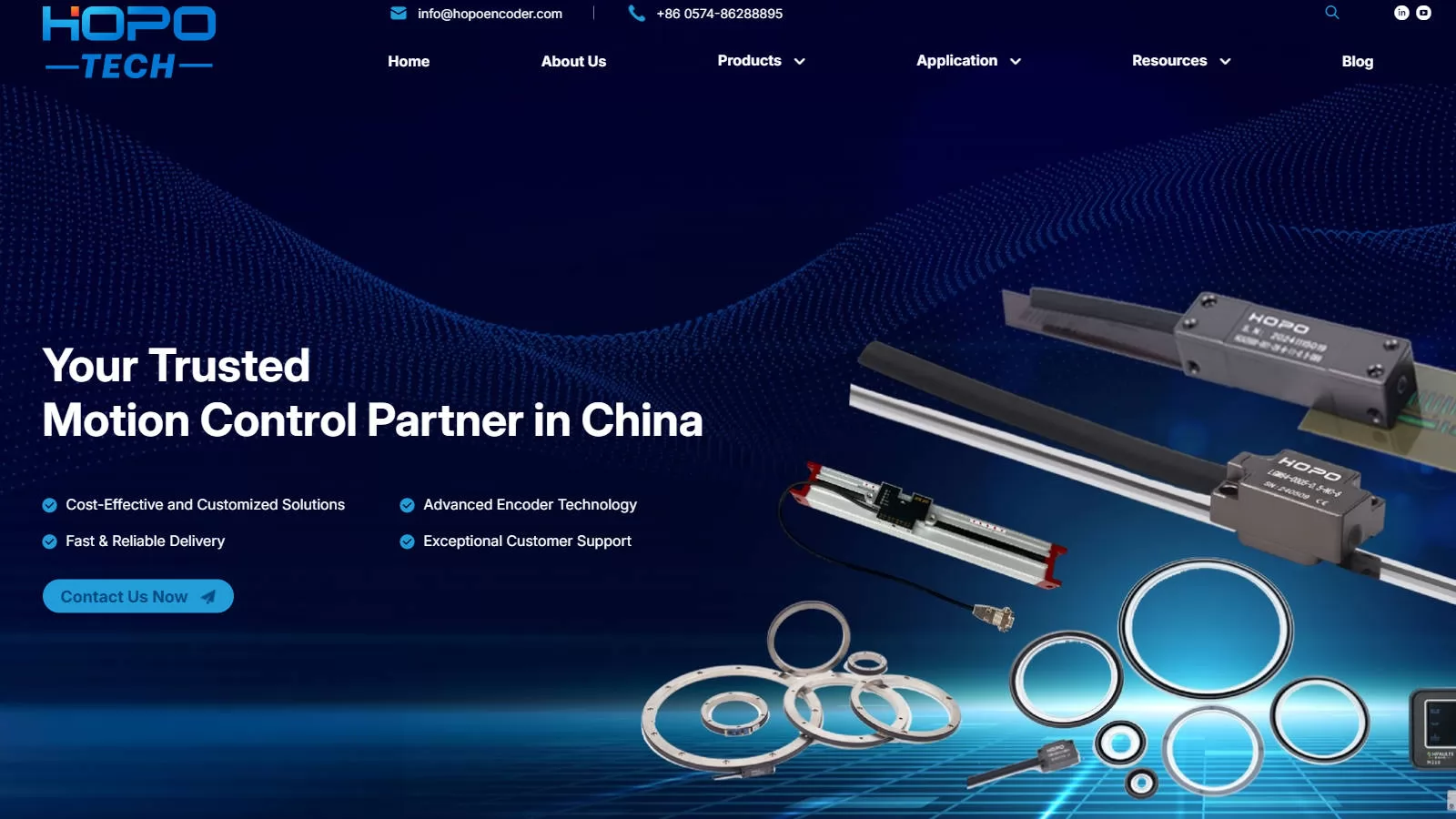
As CNC equipment continues to demand higher precision and better operational stability, selecting the right linear encoder solution has become essential for improving positioning accuracy and machine performance.
With experience in precision motion control, Hopo Tech provides customized magnetic and optical linear encoder solutions for CNC machines and industrial automation applications.
Hopo Tech focuses on developing encoder solutions that support different industrial requirements, helping customers achieve more efficient and reliable motion control performance.
By combining encoder technology with application understanding, Hopo Tech works with manufacturers seeking suitable position feedback solutions for their equipment designs.
Whether for CNC machinery, automation systems, or other precision motion applications, selecting an appropriate encoder solution can make a significant difference in machine accuracy and long-term performance.
Conclusion
CNC linear encoders are crucial to contemporary precision production because they enhance machine control performance and offer precise position feedback.
For CNC machine manufacturers and industrial automation firms, it is crucial to comprehend the distinctions between optical and magnetic linear encoders, assess important selection variables, and select an appropriate provider.
Reducing positioning mistakes, increasing machining uniformity, and enabling more dependable equipment operation are all possible with the correct encoder solution.
Customised magnetic and optical linear encoder solutions for CNC machines and industrial automation applications are offered by Hopo Tech, a specialist provider of precision encoder systems. Hopo Tech assists manufacturers in creating more precise and effective motion control systems by closely collaborating with clients to comprehend their unique needs.
Frequently Asked Questions
What is a CNC linear encoder used for?
A CNC linear encoder is used to measure the actual linear position of a machine axis and provide feedback to the CNC control system. It helps improve positioning accuracy, repeatability, and overall machining performance.
What is the difference between optical and magnetic linear encoders?
Optical linear encoders are known for high precision and resolution, making them suitable for applications requiring extremely accurate measurement. Magnetic linear encoders provide strong environmental adaptability and are often used in industrial environments where durability is important.
Can a CNC machine use both linear and rotary encoders?
Yes. Many advanced CNC systems use both technologies. Rotary encoders provide motor feedback, while linear encoders directly measure axis position to improve overall control accuracy.
How do I choose the right CNC linear encoder supplier?
When selecting a supplier, manufacturers should consider technical experience, product reliability, customization capability, and the supplier’s ability to provide solutions suitable for specific applications.
0
Comments
Leave a Comment
Your email address will not be published. Required fields are marked *
Name can't be empty
Email error!
Message can't be empty
😍
😜
😳
😌
😄
😘
😝
😒
😃
😚
😚
😛
😟
😧
😀
😉
😓
😱
😤
😣
😂
😥
😩
😠
😢
😭
😰
😨
😡
😆
😪
😅
😐
😇
😋
😴
👿
😕
😏
😷
😵
😟
😮
😯
😑
👧
👴
😧
😬
😾
👶
👱
👵
👸
🙀
👺
👦
👩
👨
😽
😿
🙈
💩
💥
💤
😼
😹
🙉
🔥
✨
💦
👎
✌
👆
👈
💪
💹
👍
👊
💴
💶
💷
💸
👉
💵
🙏
🌎
🏧
👏
💳
👇
💑
🙆
🙅
💁
👫
👭
🙎
🙇
👑
👔
Submit Comment
Most Popular
-
 Apr 09, 2026Top 10 Linear Encoder Manufacturers in The World 2026
 -
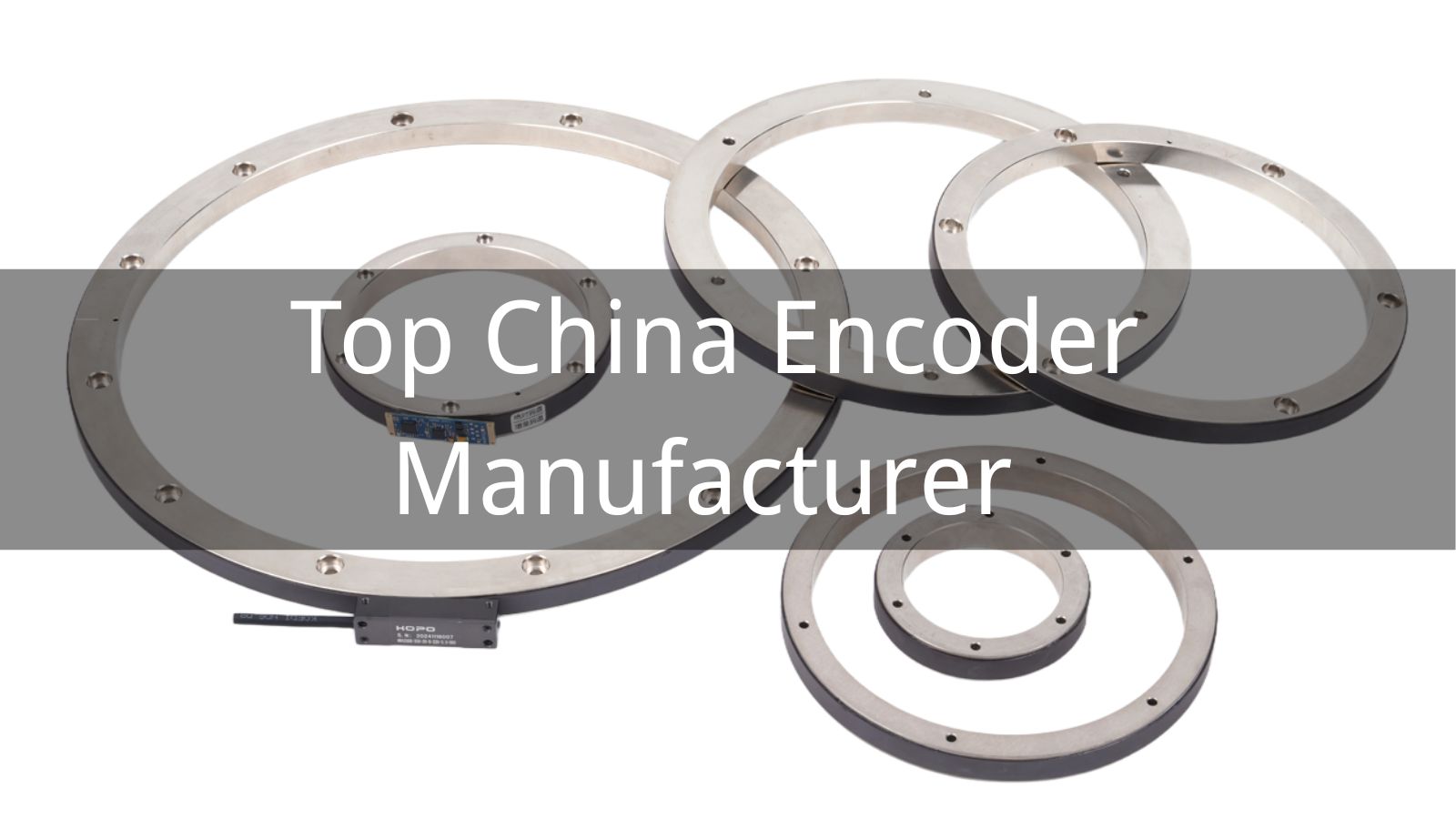 Jun 24, 2026Top 10 China Encoder Manufacturer in 2026
 -
 Mar 24, 2026Top 10 Rotary Encoder Manufacturers in The World 2026
 -
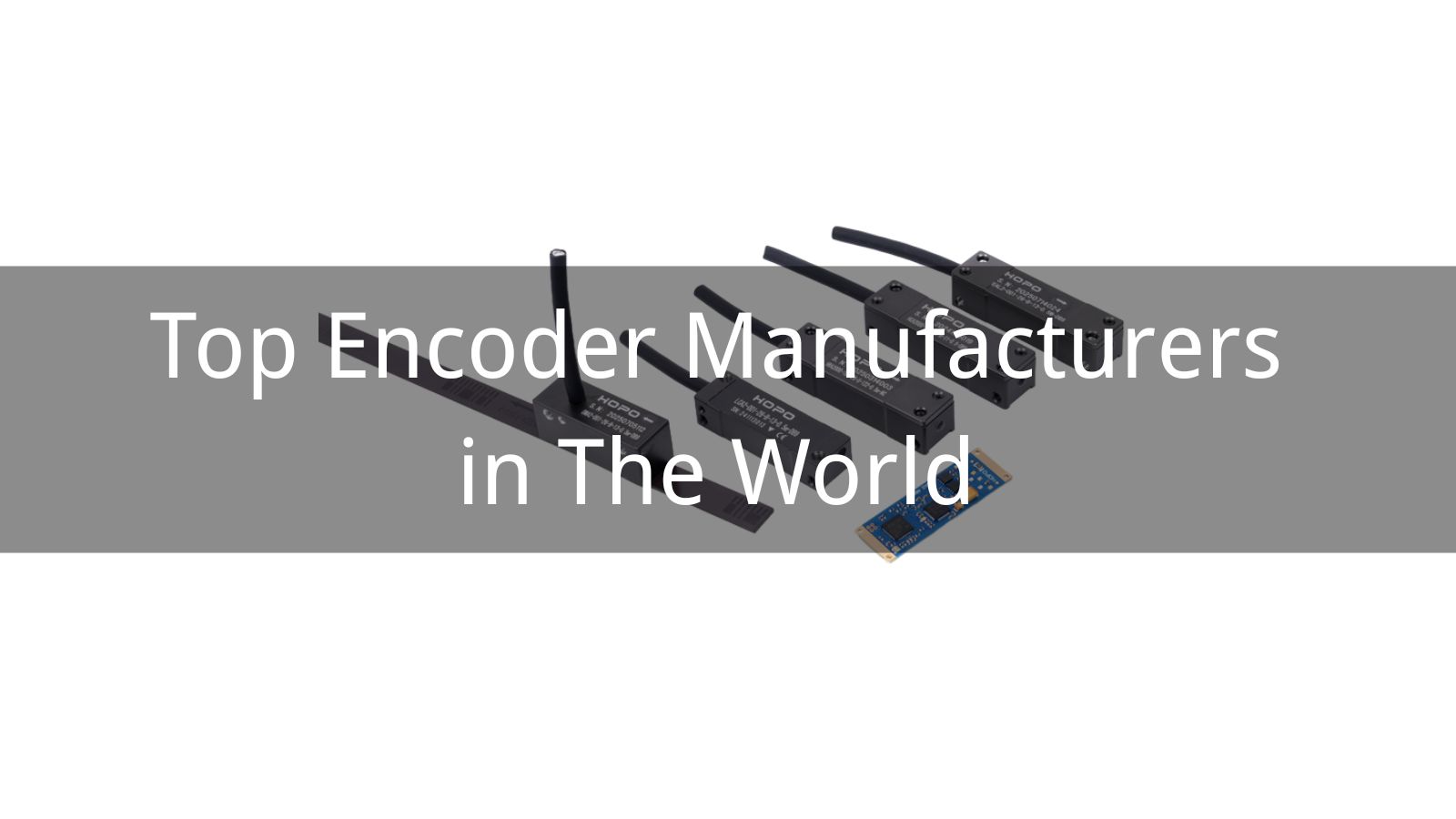 Jun 24, 2026Top 10 Encoder Manufacturers in The World 2026


Laster Blogs
-
 Sep 12, 2026Hopo Tech at CIOE 2026: Optical Linear Encoders for Precision Motion Control
 -
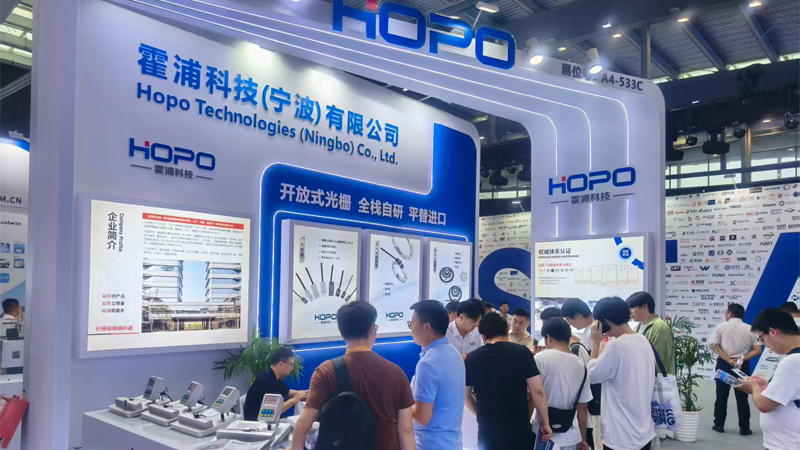 Sep 08, 2026Hopo Tech Showcases Optical Encoder Solutions at CSEAC 2026
 -
 Sep 07, 2026Encoder Readhead: Working Principle, Types, Applications, and Selection Guide
 -
 Aug 18, 2026Linear Motor "Runaway" – Causes, Risks, and Prevention


Set A Consultation Today
Name can't be empty
Email error!
Send Your Message
*We respect your confidentiality and all
information are protected.